
Blog
Why Every Homeless Animal Needs a Digital Identity That Saves Lives


Most homeless animals live their lives unseen.
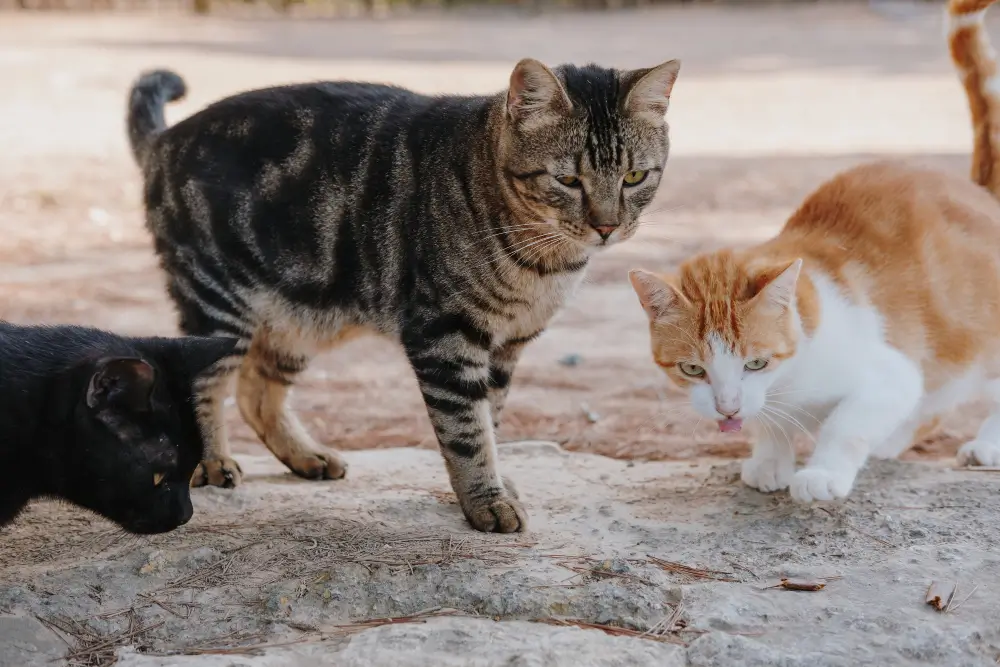
They move through streets, parks, construction sites, and back alleys with no name, no record, and no history anyone can access. Even when they receive help, that care often disappears the moment they leave the area or meet a new person.
A digital identity changes everything.
It gives homeless animals visibility, continuity, and protection in a world that often overlooks them. It turns scattered acts of kindness into connected care and helps communities work smarter, not harder.
The Problem With Anonymous Homeless Animals
When an animal has no identity, every interaction starts from zero.
A feeder may not know the animal was treated last week. A vet may have no record of previous injuries or vaccinations. A helper might assume no one else is involved and repeat the same efforts.
This lack of information leads to wasted resources, delayed care, and sometimes serious harm. Animals may receive duplicate medication or miss critical follow ups simply because their history is unknown.
Anonymous animals are not uncared for. They are untracked.
What a Digital Identity Really Means
A digital identity is more than a profile page.
It is a living record of an animal’s life and care. Photos, physical descriptions, health notes, feeding updates, and location history come together in one place. Anyone who encounters the animal can understand its situation instantly.
This identity travels with the animal wherever it goes. If the animal changes locations or caregivers, its story stays intact.
Continuity of care becomes possible.
Visibility Creates Accountability and Protection
When an animal is visible, people act differently.
Digital identities make animals harder to ignore and easier to protect. Caregivers know their actions matter and are recorded. Communities can see who is involved and what support is needed.
This visibility also discourages neglect and misuse of funds. When care and expenses are transparent, trust grows and support increases.
Being seen is the first step toward being safe.
NFC and QR Tags Connect the Physical and Digital World
Technology bridges the gap between the animal on the street and its digital identity.
NFC and QR tags attached to collars or harnesses allow anyone with a smartphone to access the animal’s profile. A simple scan reveals important information such as health status, feeding history, and recent updates.
This makes it easier for helpers and vets to respond quickly and appropriately. It also prevents confusion and duplication of effort.
A small tag becomes a powerful tool for protection.
Better Medical Care Through Shared Information
Medical care improves dramatically when information is shared.
Veterinarians can review an animal’s history before treatment. Vaccinations, previous conditions, and ongoing care plans are no longer a mystery. This reduces risk and improves outcomes.
Follow ups become easier to manage, and animals are less likely to fall through the cracks after initial treatment.
Digital identities support proactive healthcare instead of emergency only responses.
Supporting Adoption and Fostering Decisions
Adopters and fosters need accurate information to make responsible decisions.
A digital identity provides insight into an animal’s behaviour, health, and progress over time. This helps match animals with suitable homes and reduces failed placements.
Fosters can update progress, share observations, and prepare animals for adoption more effectively.
Informed decisions lead to lasting homes.
Transparency Builds Trust Across Communities
Animal welfare depends on trust.
Digital identities allow supporters to see real stories and real outcomes. Donations can be linked to specific animals. Expenses can be documented. Progress can be followed over time.
This transparency encourages continued support and strengthens community bonds.
When people trust the system, they invest in it.
From Invisible Lives to Shared Responsibility
Perhaps the most important impact of digital identity is dignity.
Homeless animals stop being background noise and start being recognised as individuals with needs, histories, and futures. Communities feel a shared responsibility because they can see the difference their actions make.
Small contributions become part of a larger story of care and recovery.
The Future of Animal Welfare Is Identity Driven
Digital identity is not a luxury. It is a necessity for modern animal welfare.
As communities grow and resources stretch, coordination becomes essential. Digital identities provide the foundation for collaboration, accountability, and lasting impact.
When every homeless animal has an identity, fewer are forgotten. Care becomes continuous. Outcomes improve.
Every animal deserves to be known.